Sitting off the eastern edge of the Black Sea, Romania is an eastern European country rich in tradition and history.
Roman Columns of conquest tell stories of 2nd century battles across the Danube River. Vampire legends creep through middle age kingdoms attempting to unite against invading Ottomans. Two World Wars leave Romanians poor and susceptible to Cold War Russian propaganda, and eventual communism.
But through the hardship, Romanians held on to their culture and customs, creating a country rich in traditional craftsmanship, dramatic stories, and national pride.
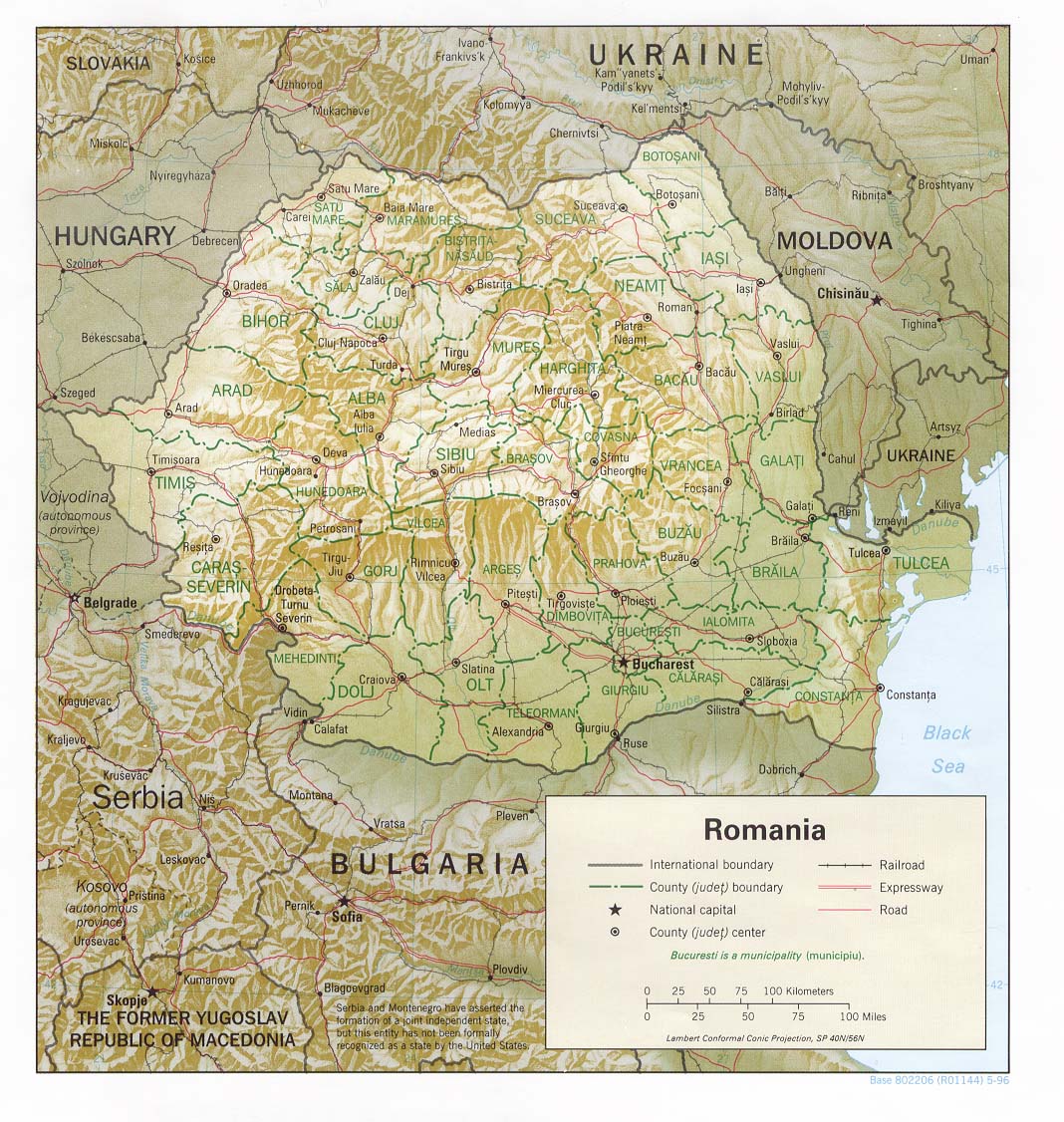
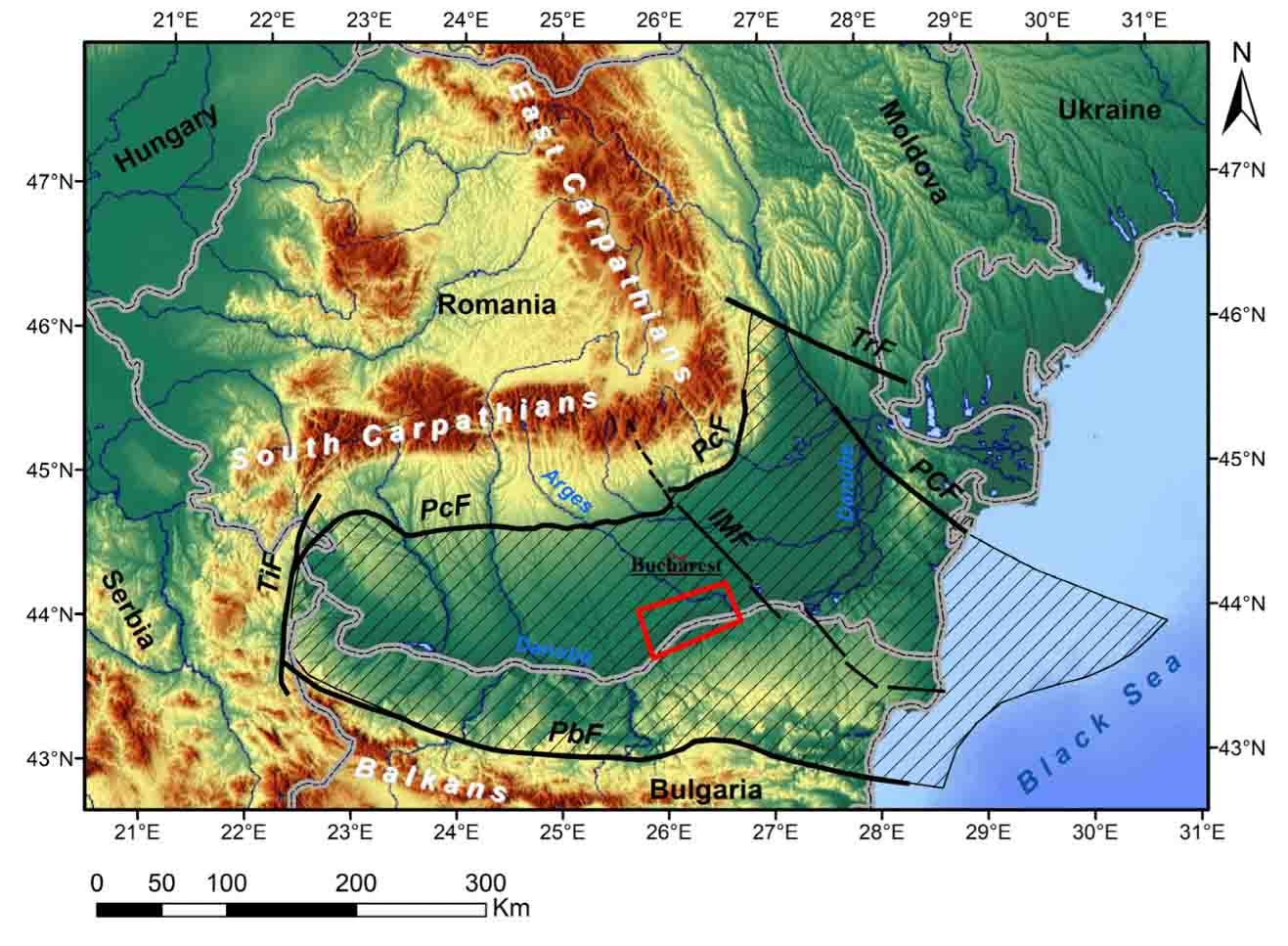
The southern and eastern branches of the Carpathian Mountain Range run through the middle of Romania, dividing the country between the Transylvanian plain in the west, and the Walachian Plain in the south. This modest branch divides the rest of Eastern Europe from the Great European Plain in the north, and their much tamer altitudes capping out under 9,000 feet are no rival to the Alps further south.
Another notable topographic feature of Romania is the Danube River separating Romania from Serbia and Bulgaria in the south and draining into the Black Sea towards the east. Europe’s second longest river is well known in history for its defensive prominence against invading Romans and Ottomans, and eventual taming by both Trajan’s bridge in the first century AD and the Iron Gate Dam nearly two thousand years later.
Despite the typographical disadvantages, Romania continued to survive against its invaders and unite its people into one nation and culture, even though it took the better part of a millennia to accomplish.
History of Romania
100 – 1000 AD
At the beginning of the second century AD, the prominent Getian tribes of the area became the subject of interest for Emperor Trajan of Rome. His conquest and desire for global expansion became foundational bedrock for Romania’s history of defiance, starting with King Decebalus leading severe Getian opposition to the mighty Mediterranean Empire. After the construction of Trajan Bridge over the Danube in 115 A.D., the Roman emperor finally defeated Decebalus and turned the territory into a Roman substate. Over the next 200 years, the local language changed to Latin, and people began referring themselves as Romans, an ancestral nod to the country’s current name.
Competing tribes among the Translyvannian plain forced Rome to concede the land, retreating their territory back south of the Danube. The current Dacian population (a cultural blend of Roman and Getian) were now exposed to Mongol invaders form the north, and Hungarian influence in the West. The kingdoms of Wallachia, Transylvania, and Moldova begin to form, their territory divided by the dissecting typography.
NOTE: when the Mongols invaded Transylvania in 1241, they destroyed virtually all evidence of civilization in the area. Since then, the conversation surrounding the ethnic origins of the region is still debated between Hungarians and Romanians, who both claim the area as part of their original kingdoms.
In the 14th century, Ottomans begin to cross over the Balkans, fresh from their conquest of Serbia. With their sights set northward, the virgin kingdoms band together alongside Hungary to stop the eastern invaders. Here emerges one of Romania’s greatest historical figure of Wallachia: Vlad Dracula.
Simultaneously dealing with political intrigue inside his kingdom and the invading Ottomans outside, Vlad was having none of it. Any potential threat to his throne he immediately quelched with some of the most torturous methods. His reputation later birthed the nickname Vlad Tepes, or Vlad the Impaler. Outside Wallachia, Ottomans spread tales of his unquenchable addiction to human blood and flesh—albeit with reasonable evidence—in an attempt to create disunity among his followers. Thus the legend of Dracula was born.
But Romanians have a different perspective on Vlad Dracula II. Like Decebalus against the Romans, Vlad was seen as a national hero, valiantly defending the Walalchians against an unstoppable force. His consistent raids across the Danube made conquest for the Ottomans difficult and irritating.
But it wasn’t enough. The kingdom of Wallachia had no geographical defense against the Ottoman raids from the Danube, and Vlad was driven back to the Carpathians on the northern border, and banished to Hungary. Wallachia became a tributary state to the Ottomans, subject to the Sultans degree and assimilation into his empire.
1400 – 1900 AD
For the next 500 years, various kingdoms vied for control of the land. Russia, Poland, Austria, Hungary and Ottoman all traded control of the Union of Three Nations (Translyvania, Moldova, Walalchia). Unfortunately, the citizens of the region had little say in their future. Their constant push for the abolishment of Fiefdom, which was the current governmental model, finally became a reality in 1861, when the Kingdoms of Moldova and Wallachia unified as the Kingdom of Romania. It wasn’t until after World War I that a defeated Hungary and Central Powers conceded the kingdom of Transylvania to Romania.
1900 – 1949 AD
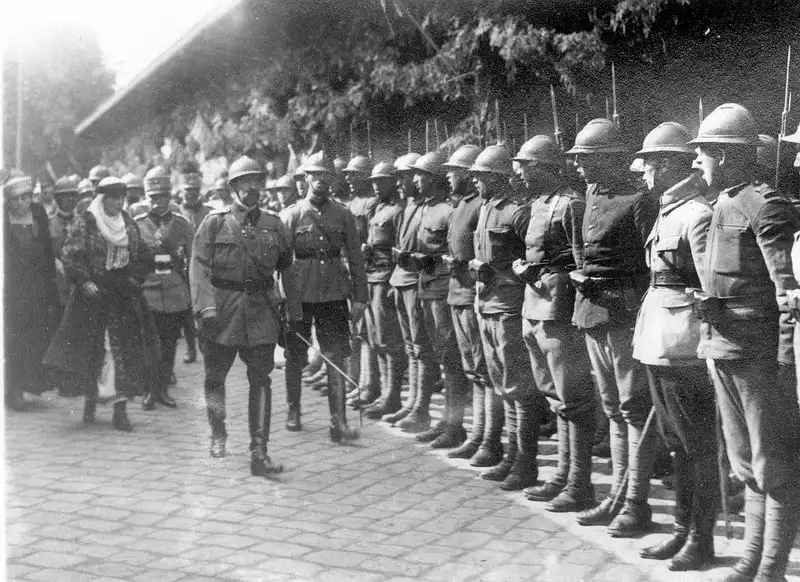
Sadly, the Romanian people did not leave the early 20th century unscathed. Many men were killed in the war, and much of the countries natural resources and exports were diminished. Even as an established nation with global recognition, Romanian’s were still subject to the wills of the greater powers around them. With Germany’s growing control over the Balkan region, Romania was strong armed into providing troops and weapons to the Nazi regime. Attempting to remain neutral throughout the war became impossible, when Axis Russia signed a peace deal with Germany in exchange for control over the entire Balkan region. World War II began before Romania had a chance to recover from World War I.
To say that “Romania” wanted neutrality oversimplifies the tug-of-war control among the countries political parties. The Nazi supporting Iron Guard party usurped King Carol (who sought peace for Romanians) in 1940 and quickly aligned with the Axis powers. But the dominant threat of Russian takeover sparked secret talks with the Allies for salvation from the Red Army.
Unfortunately for Romania, Russia switched sides to the Allies, and took advantage of this to “liberate” the Romanian’s from oppressive German rule. Elections were held, and the first communist leader Lucreiu Pätràcanu won control over Romania.
1950 – 2000 AD
For the rest of the 20th Century, Romania was a satellite nation of the Soviet Union, susceptible to socialist economic models that exhausted Romanian men and women. The government focused heavily on city planning, increased factory exports, and population control. Unfortunately, living conditions were languid with the sudden influx of people moving out of their farms into cramped socialist apartments. Without the farms to produce food for the people to eat, the labor force weakened and slowed production, reducing Romania’s global exports and overall GDP.
It was a slow withering from within as the government struggled to curb their population collapse with nationalist propaganda, family incentives, and megaprojects. But without focusing on improving the living conditions, these tactics all but fizzled out.
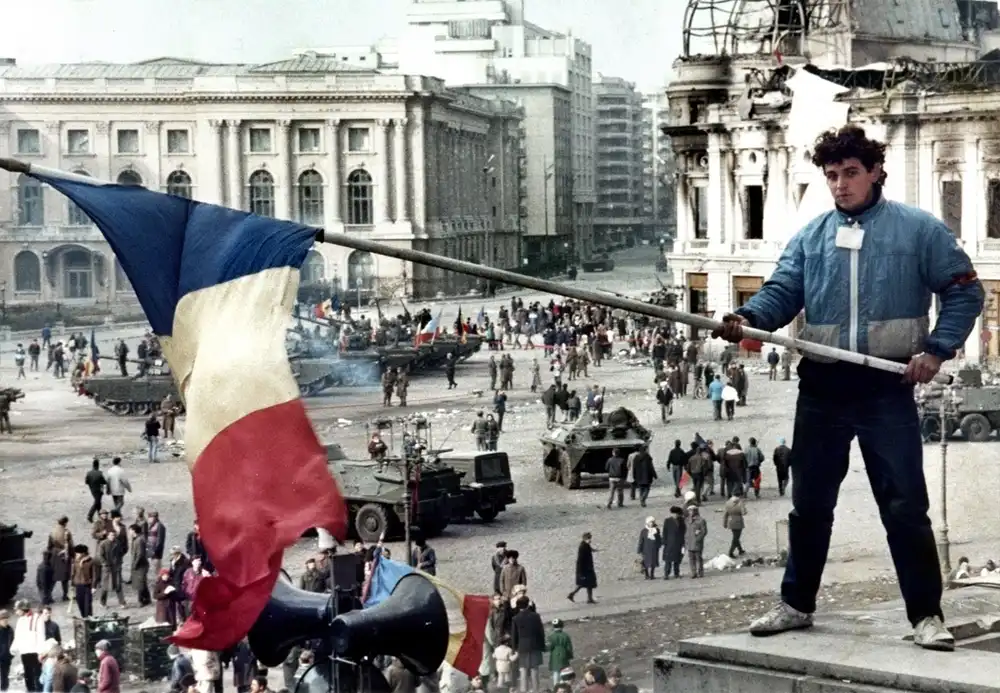
With the gradual collapse of the Soviet Union, Romania was able to slowly separate themselves from Russian rule. Ruling parties speaking against Russian rule and better living conditions took Romania away from the Cold War and into a time of prosperity. Communism was still a cornerstone among the totalitarian governors for a few decades, but slowly diplomatic relations with the West and trade agreements introduced business and capitalism into the country.
Peasant Art Craft
We aim to encourage small-scale producers, by taking an active role in the rural community, participating in historic traditions, and sharing with the world.
Today, Romania is part of the European Union, and as of the writing of this article, officially signed on to the Schengen area. Sadly, much of the country is still under developed, with several villages in Transylvania inaccessible by road. But here in the heart of Romania you can still find traditional craftsman keeping the Romanian culture and stories alive.
Conclusion
Through the last two thousand years, Romania is a story of dedication and survival. Attacked by nearly every major power to exist in Europe, Romanians continued to survive through the ages, fighting for their right to live on the forested valleys and expansive plains.
Despite the hardships, the nationalist pride is stronger than ever, and can be seen in the craftsmanship and culture of the people who call Romania home.