The year is 1128, three decades after the First Crusade, and well into the golden years of the Medieval Period. After the Battle of São Mamede and subsequent victory at Guimarães Castle, Afonso Henriques—the founder and first king of Portugal—has now achieved recognition as a legitimate ruler by Western European standards. But peace does not rise with the morning dawn.
Now part of the coalition of Christian Nations, Portugal must now recognize their southern neighbors as a threat to the stabilization and wellbeing of the Holy Roman Empire.
King Afonso I turns his attention toward the Moors.
In 1147, Pope Eugene III sent out a proclamation for the attempt to recapture the Holy City of Jerusalem. Germans, Englishmen, and all peoples of Western Europe answer the call to arms and begin the long journey South. For Portugal, the pope had another objective in mind.
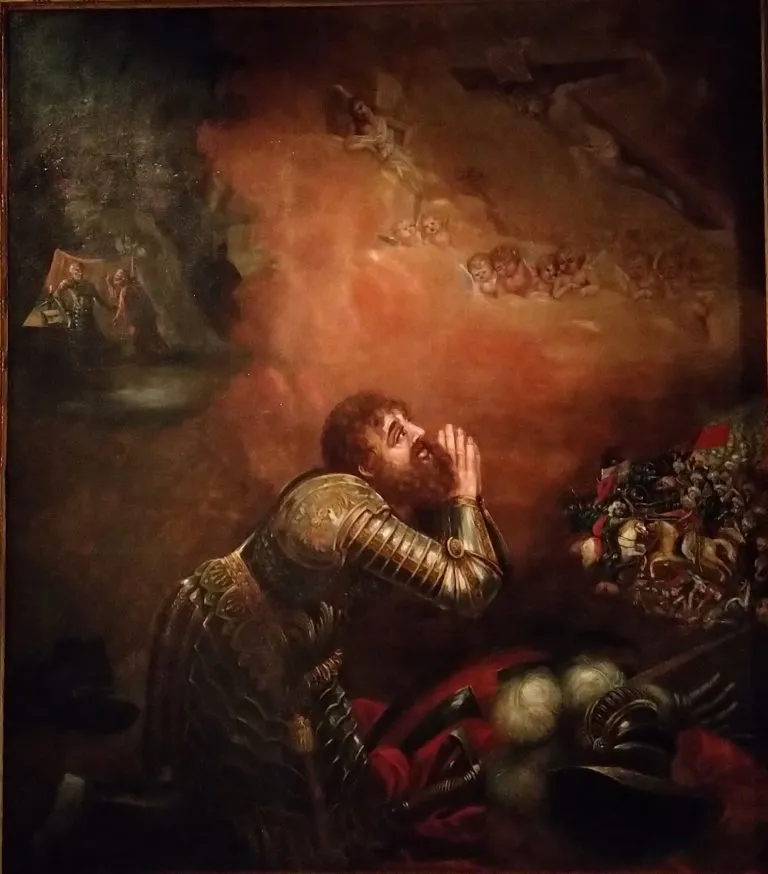
Muslim expansion across the Iberian Peninsula has grown considerably. Portugal and Spain were granted equal status as the Jerusalem-bound soldiers to fight the Moors, labeling their cause as Reconquista.
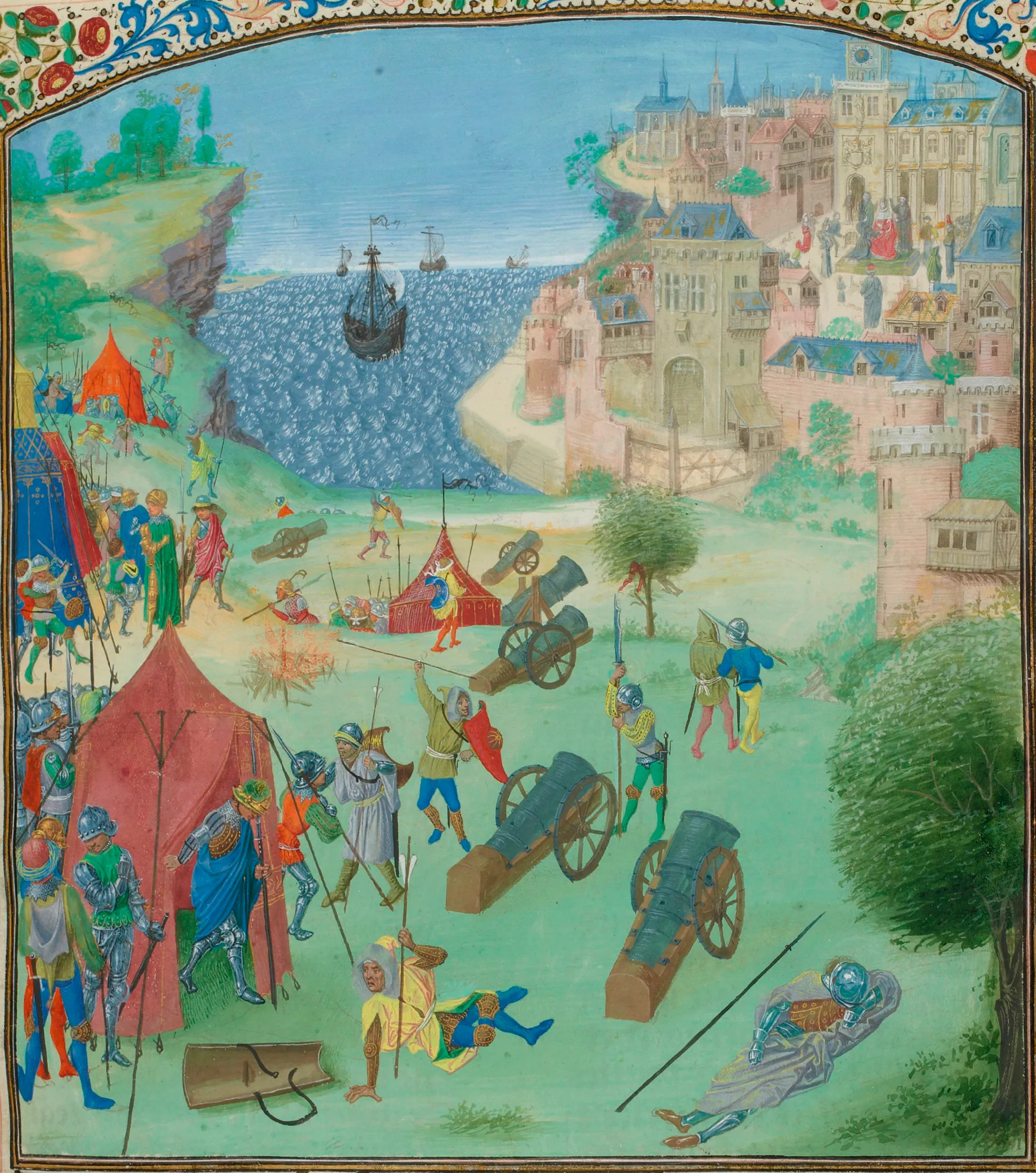
For ships carrying soldiers and supplies to Jerusalem, the journey takes them from the North Sea down the Portuguese Atlantic Coastline to the city of Porto. With this influx of soldiers, Afonso begins his conquest with the Siege Lisbon. Over 10,000 soldiers and 164 ships began pushing inward, achieving victory after 4 days.

Territorial control of the Lusitanian Basin begins to expand like a growing circle. As the Reconquista marches north, we now arrive at the subject of this essay. Alfanso’s carriage stops, and a solider announces their arrival to their next target: Castelo de Óbidos.
The city of Óbidos is believed to have origins as a pre-historic settlement, possibly part of the Turduli Oppidani (Celti group) or Lusitani (Indo-european) tribes. Not much is recorded up to the occupation and control under the Moorish empire.
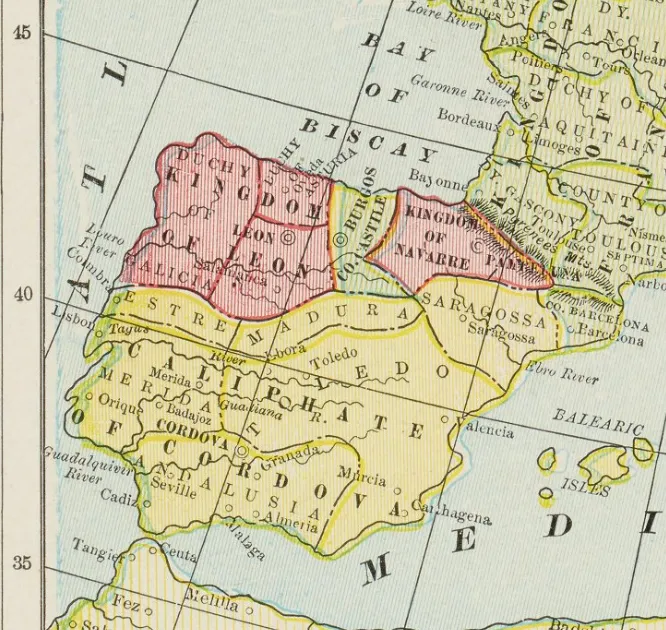
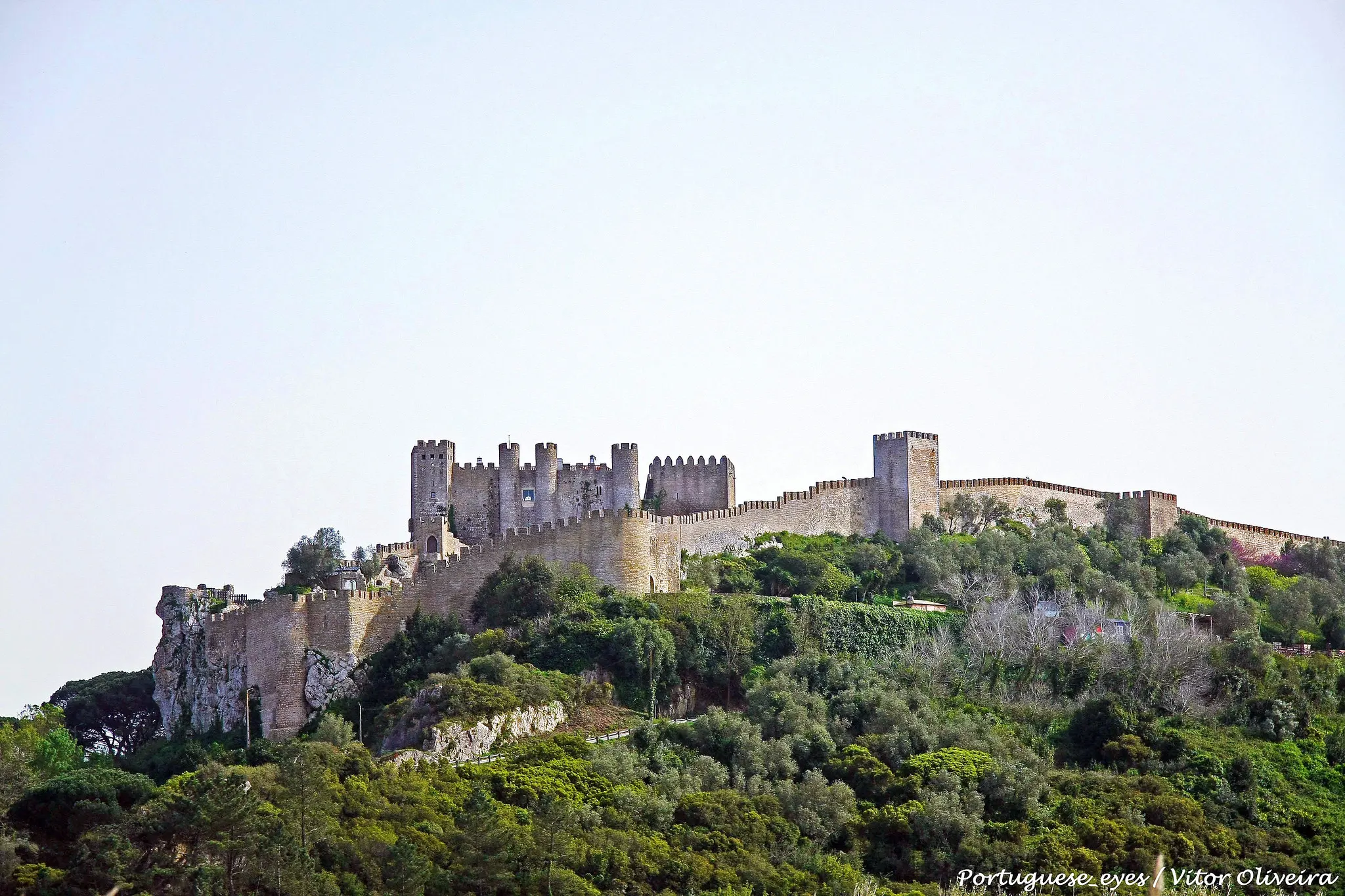
At the time of the Second Crusade, the city laid in the Taifa (relative Moorish term for kingdom) of Badajoz, a fracture of the recently defunct Córdoba Caliphate (Moorish word for Empire). Óbidos Castle was situated on a strategic outlook which provided a clear view across the basin for any approaching enemies. This made conquest more difficult for Afonso.
It took two months of siege before the castle was conquered; through legend or military ingenuity, the reality remains muddied.
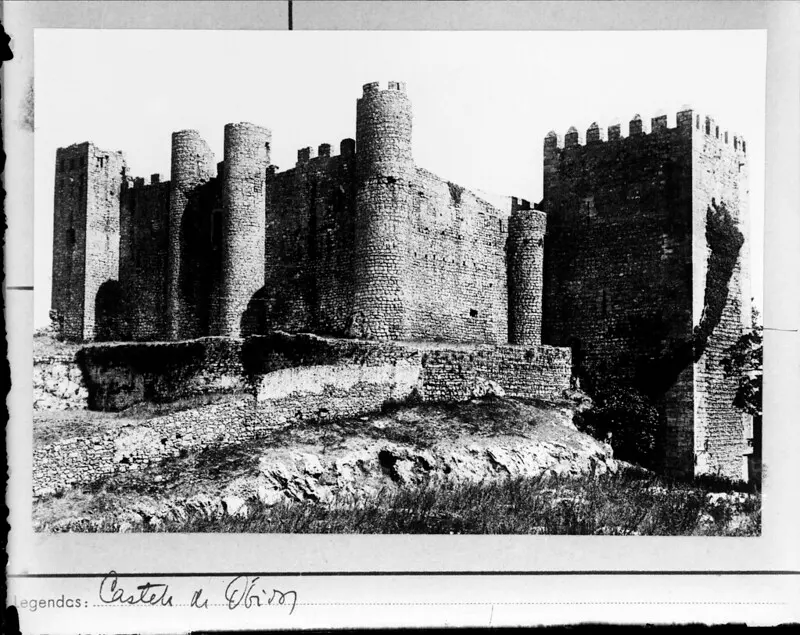
Through the next centuries, the castle remained in service through civil wars and disputes. Decay and abandonment arrived with the 1755 Earthquake, but its militaristic use trickled by as a ruinous, but useful lookout.
In the mid 20th century, nationalism sparked renewed interest in the country’s cultural heritage and identity. A nation-wide initiative backed by governmental financing allowed restoration to commence on the crumbling battlements and empty interiors.
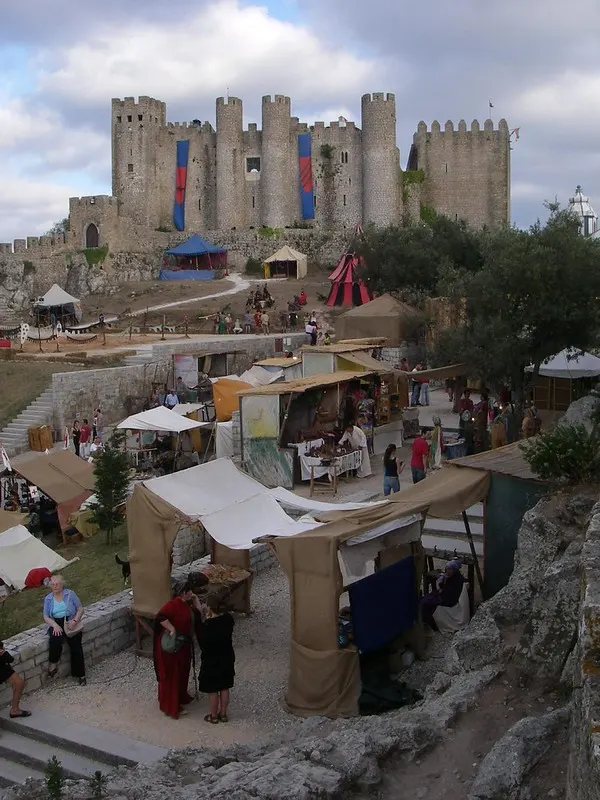
Today, the castle keep is privately operated as a hotel, and is closed to visitors—unless you are willing to stay the night! The opportunity to sleep in a medieval castle is quite rare, and not one I would want to miss. The battlements and inner courtyards are accessible to the public, and host stunning views of the city walls and the panoramic valley below.
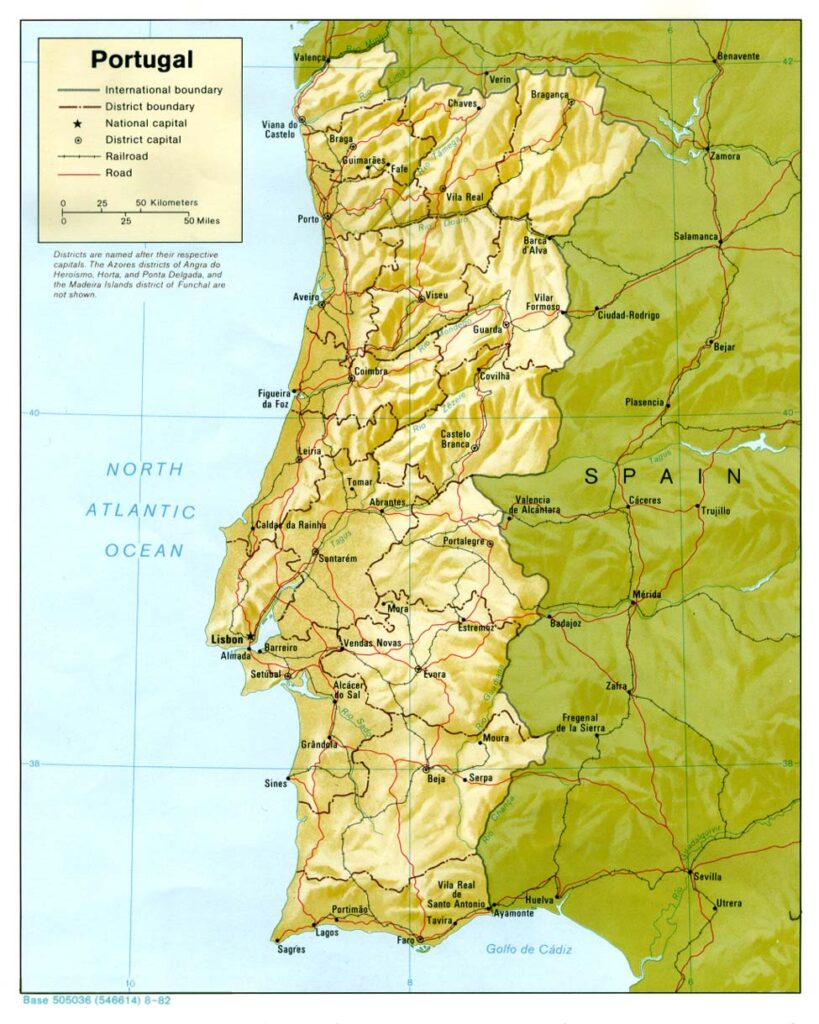
Castelo de Óbidos is located west of the Candeeiros mountains’ southern terminus and 1 hour north of Lisbon. It is part of the Lusitanian Basin on the Littoral Platform, a near-oceanic outline of the country spanning from the northwest corner of Spain, down beyond the South-east edge in the Mediterranean (which includes Lisbon). The foundation is comprised of mainly Jurassic limestone, the floor-bed of an ancient ocean.
The city itself sits on a diapir in the Caldas da Rainha Structure. A diapir is a lower layer of rock pushed upward from the crust. It can breach through the upper rock layer to become an older, exposed rock “island”, but the case here is unknown to me.
This Structure also contributed genesis to the Usseira spring (29°C/84°F) to the south-east, which feeds the city freshwater via the 6km long Óbidos Aqueduct.
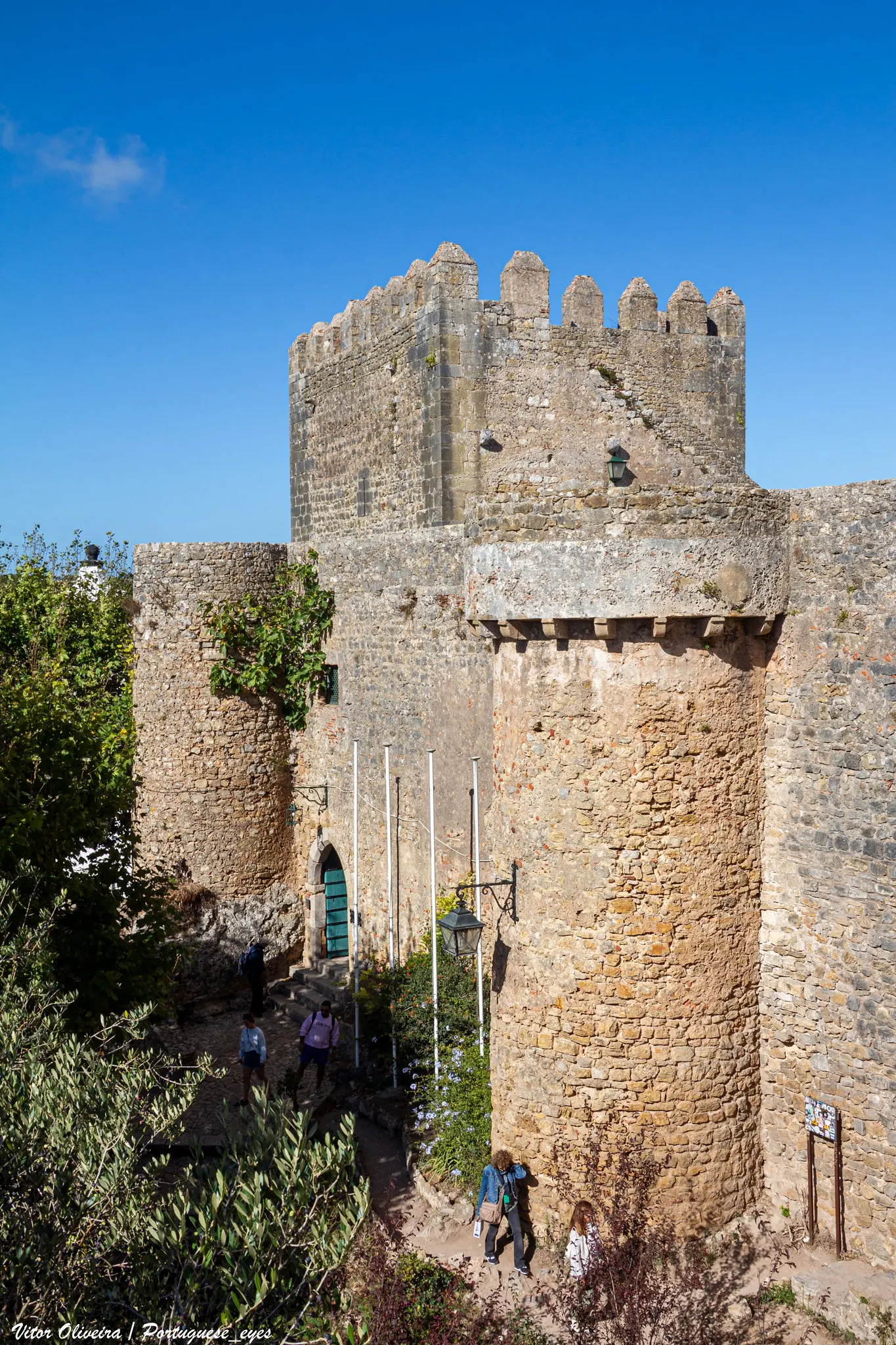
Óbidos Castle displays many architectural styles based on its reconstruction and expansions over the centuries. A rectilinear keep surrounded by a mixture of square and round towers are notable of early Romanesque castle design. Doorways are encased with pointed arches, demonstrating gothic reconstruction.
The village is set in a mot-and-bailey layout surrounded by a thick stone wall. A dividing wall extends from the keeps entrance to create an inner bailey, which served as a place of retreat and fortification should enemy forces overtake the outer bailey.
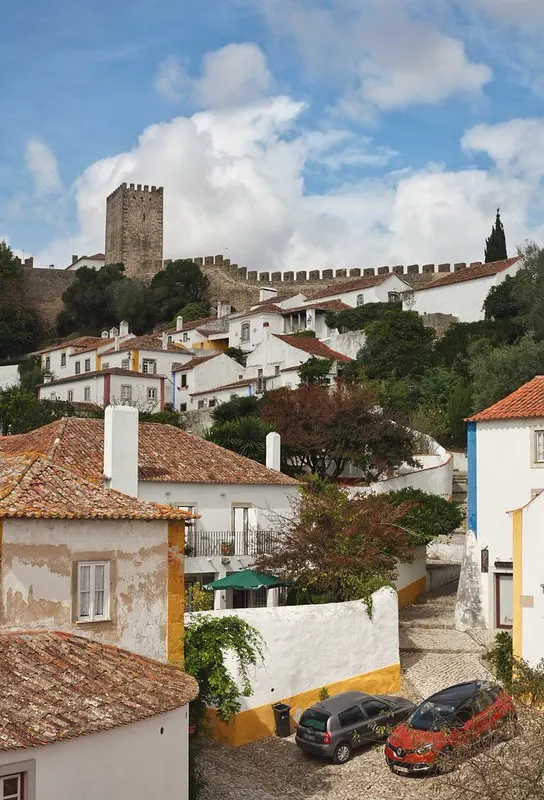
If you want to journey on a relaxing adventure to rolling hills and quiet villages, while still in the presence of historical heritage, Castelo de Óbidos can serve you. In the preceding generations from King Afonso I, a custom was made for kings to gift the hilltop village to their queens. This tradition has allowed the city to gain notoriety as Vila das Rainhas (Town of the Queens), and ensure proper care throughout the centuries as a Portuguese heritage site.