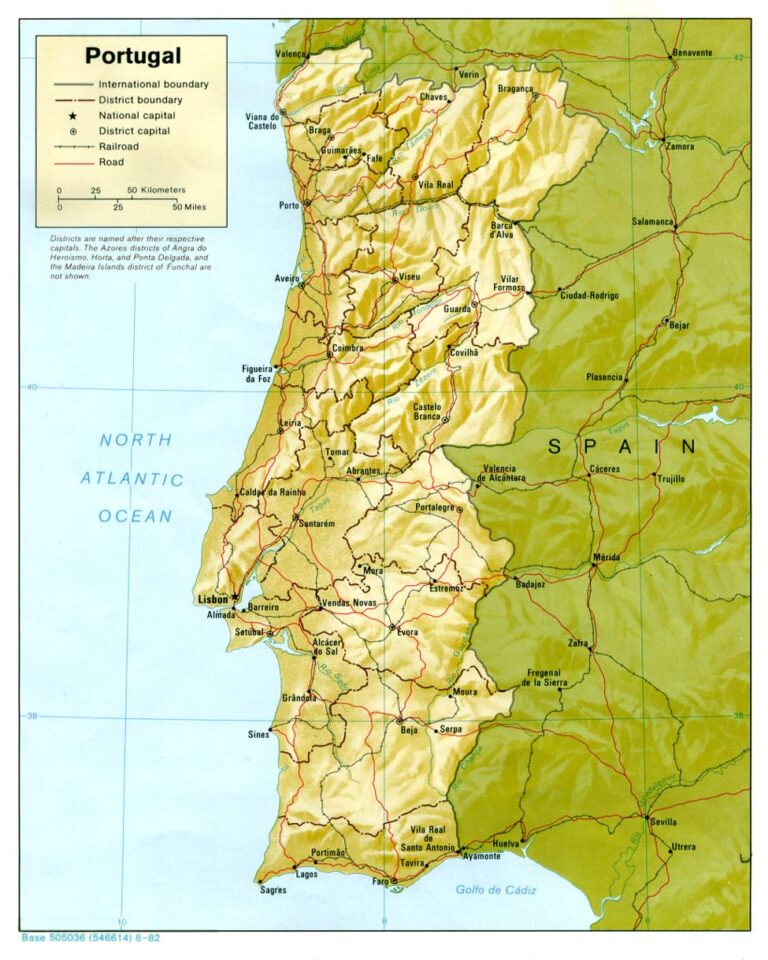
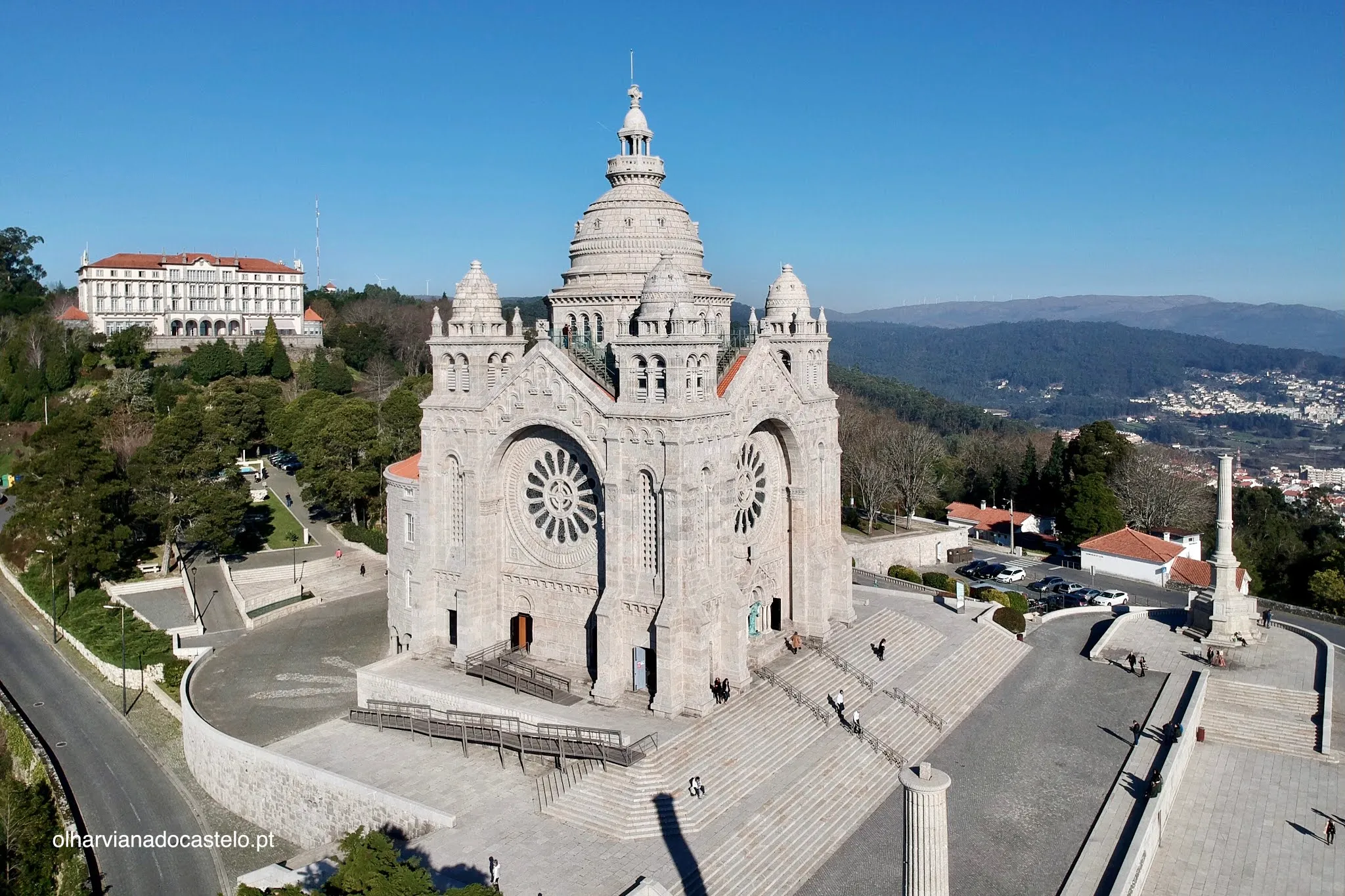
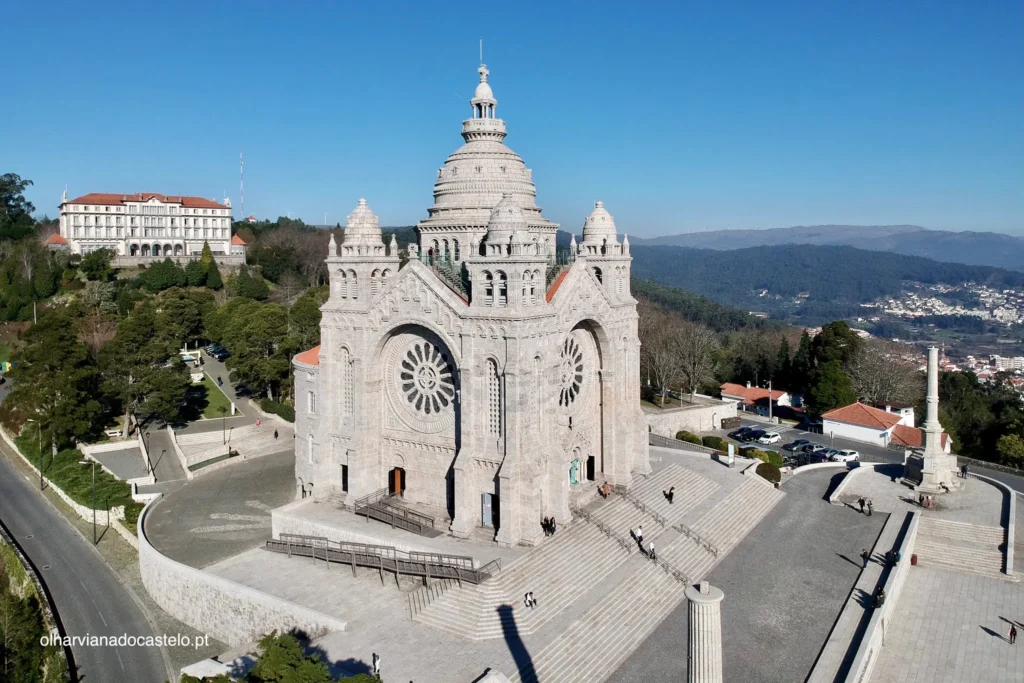
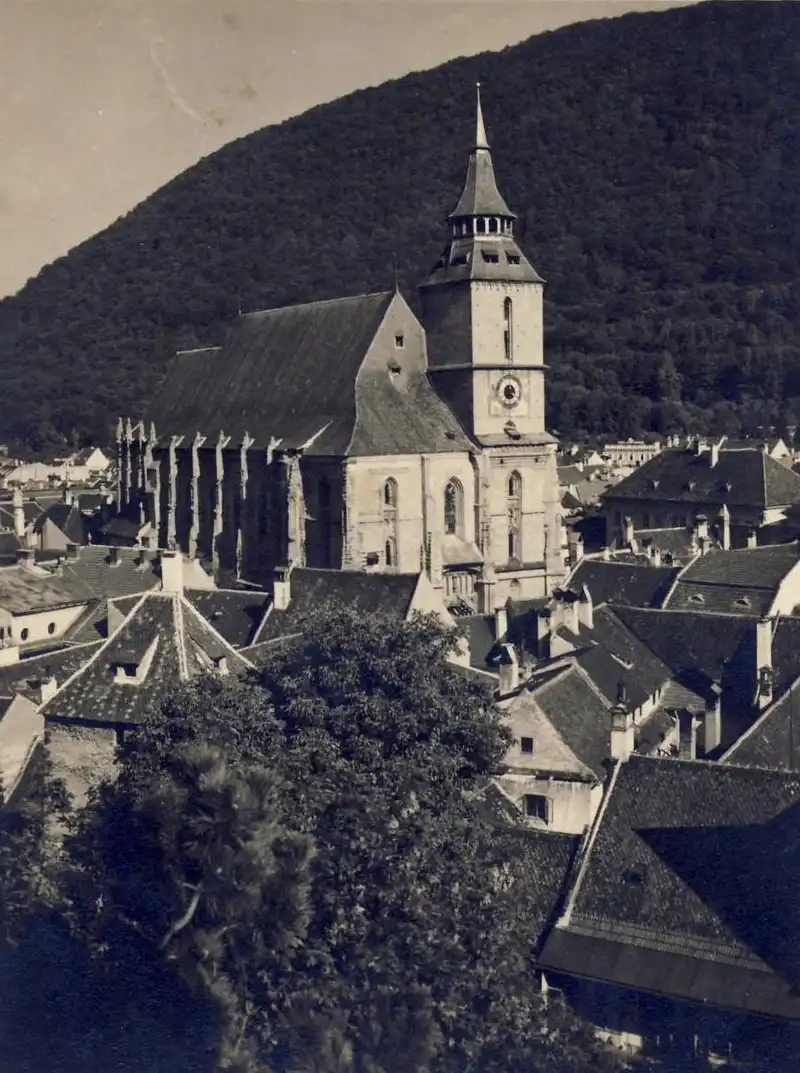
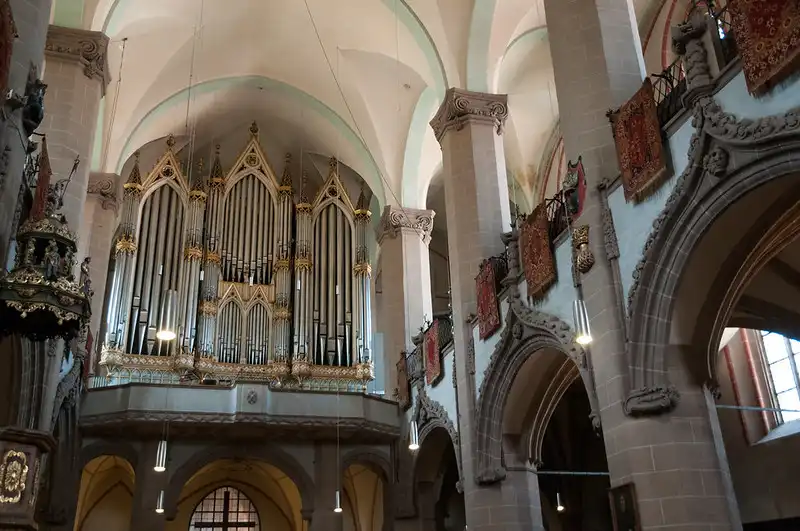
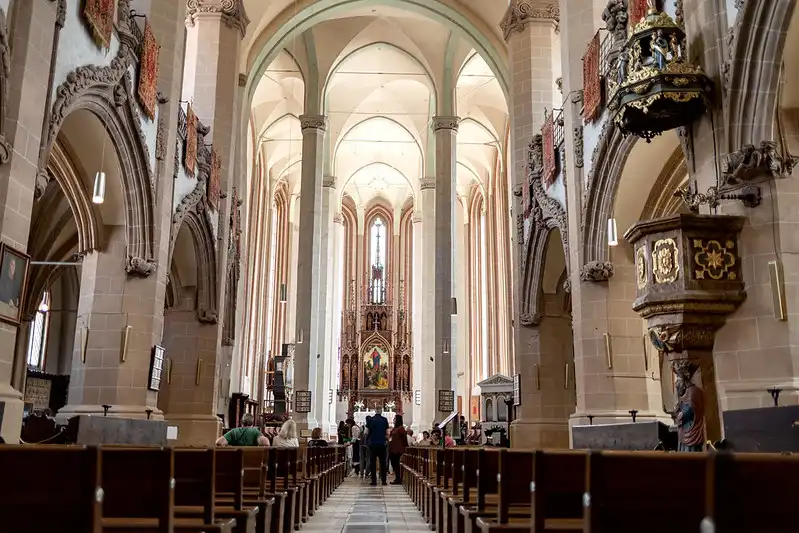
700 feet above the Atlantic Ocean sits the Sanctuary of the Sacred Heart of Jesus, a neo-gothic cathedral built atop Monte de Santa Luzia in northern Portugal. Panoptic murals, rose windows, and bas reliefs anoint the walls with rich history from both scripture and Portuguese culture.
Through sea breeze and cloudless skies, the church peers down on Viana do Castelo, a city multifarious in architectural periods spanning the last millennium. While the church recently celebrated it’s 100-year birthday (a young age for a catholic cathedral), its location dates to early civilization in the B.C. era as a defensive lookout across the Lima River to the South and the Viana do Castelo–Caminha antiform in the North.
The ground upon which the sanctuary lies contains stories dating back to early recorded history.
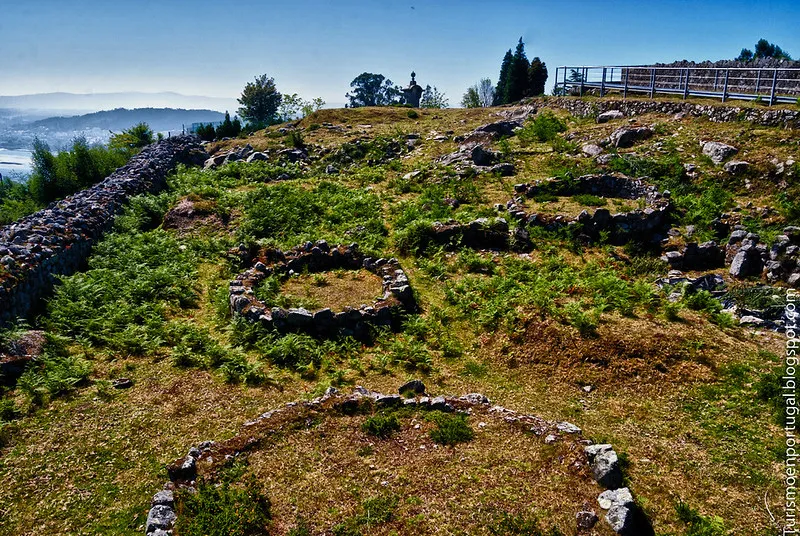
A few jaunts north along the plateau is the archeological site Citânia Santa Luzia, a stone city dating from ~800 B.C.
When tied into Roman occupation during the preceding centuries, there is a possibility that this Iron Age settlement, termed a “Castros do Minho,” may hold some clues into the Romanization of the Iberian Peninsula.
Castros is a term used to describe the similar settlements of a people group living in Northern Portugal. Defined by round stone huts and bread baking ovens, this Celtic-influenced (or adjacent) society appeared to live in fortified settlements across key geographic locations, specifically hilltops overlooking routes of trade and travel. While this could be a defensive response to the raiding Roman armies during the 1st century B.C., there are over 1,000 individual sites that can provide insight into this unique society.
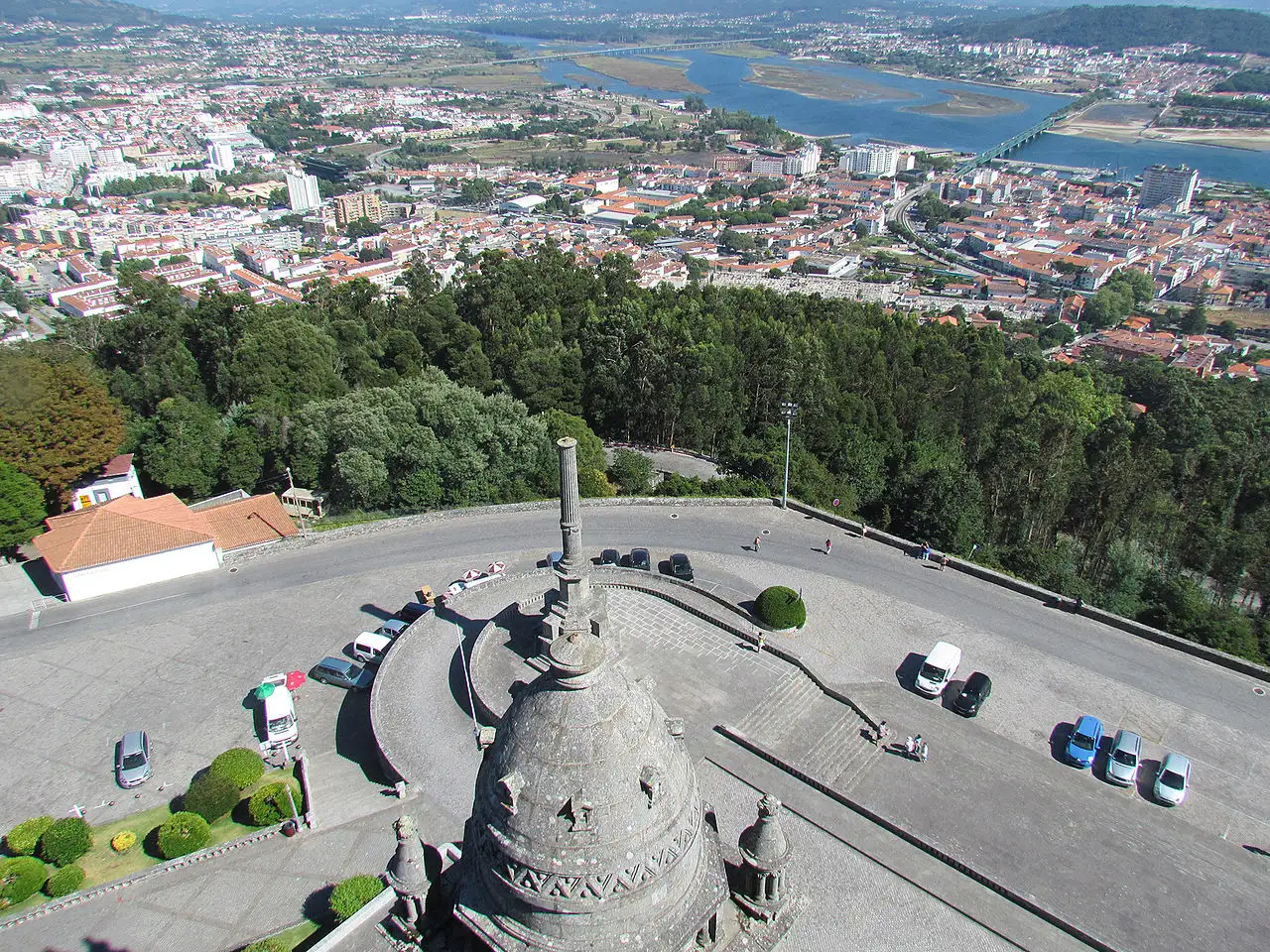
History of the Monte de Santa Luzia seems to remain stagnant for the next 1800 years. This may be in due by the relative peace the region has seen throughout the Roman Empire, Medieval, and Industrial Period. Without the need for strategic defense, the hill became a leisurely spot for locals until the 17th century, when in 1664 a small chapel was constructed by the Catholic church for the village.
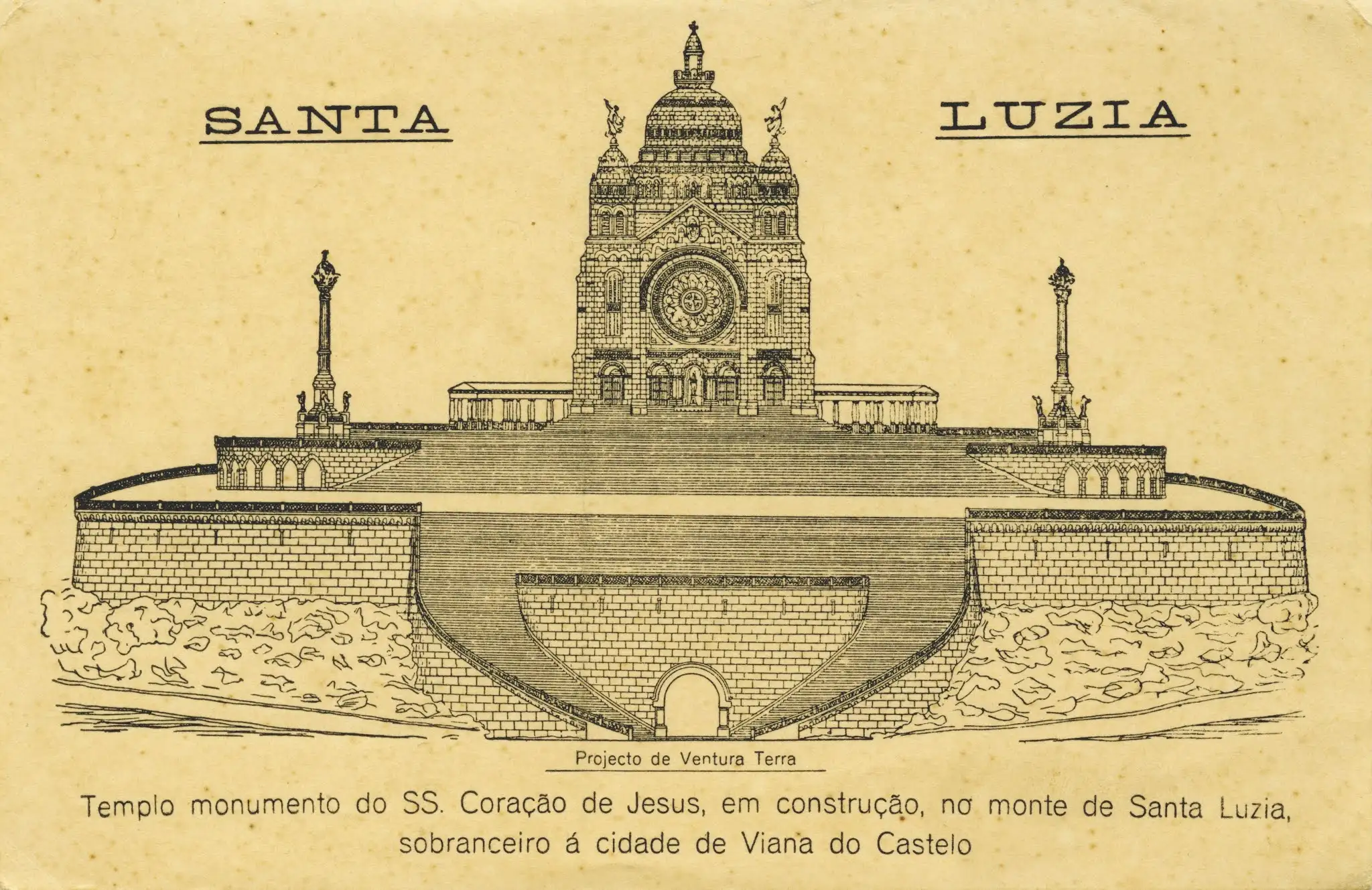
Near the end of the 19th century, plans were enforced to build up the area surrounding the church. Construction on the church began in 1904, designed by the lead architect Miguel Ventura Terra. When he passed away in 1919 (prematurely before the project’s completion in 1959) Miguel’s student Miguel Nogueria carried on his vision.
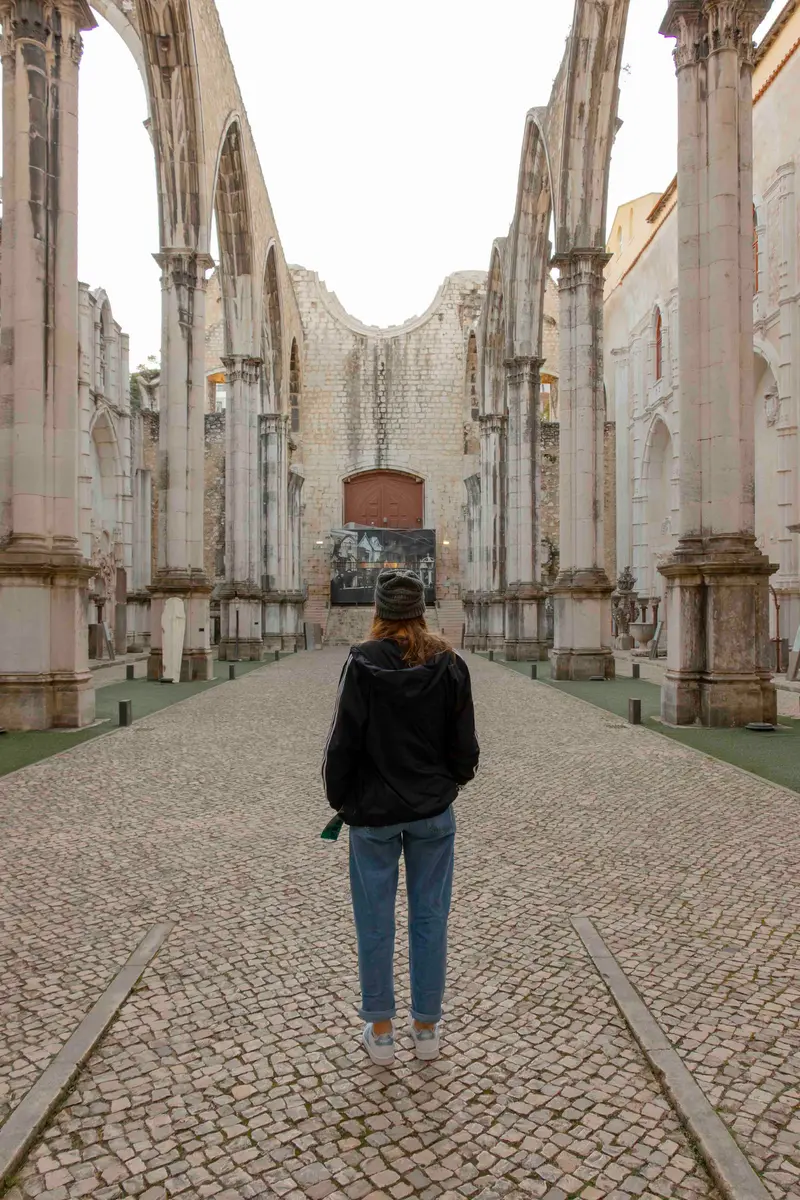
I have a somewhat unhealthy expectation of Europe that can easily develop into several missed experiences should I not evaluate and correct. In my travels across the Atlantic, I have the desire to surround myself in a location over-saturated with the history of generations beneath my footsteps. Back in 2022, when I walked through the roofless ruins of Museu Arqueológico do Carmo, I imagined the stonemasons who built the gothic arches, the clergy who walked the naves, the survivors who cleared the collapsed ceiling, and the inspired artists who wandered among the abandoned stone columns.
Experiencing a church, ruin, or mountain path this way leaves me full of inspiration and the sense of the numinous. But my mistake occurs when I expect a location to have a minimum number of centuries under its weathered belt. With this fallacy set to the default setting, I risk overlooking younger, less archaic places which can grant me the same, even improved experience through its particular story.
Such is the case with Sacred Heart. While her story may not match the complexity and experience of St. Peter’s in Rome, there is still a wealth of detail and particulars that grant me new perspectives on several subject matters, including architecture, prehistoric history (as outlined above), and Portugese culture, the former of which I will describe in detail next.
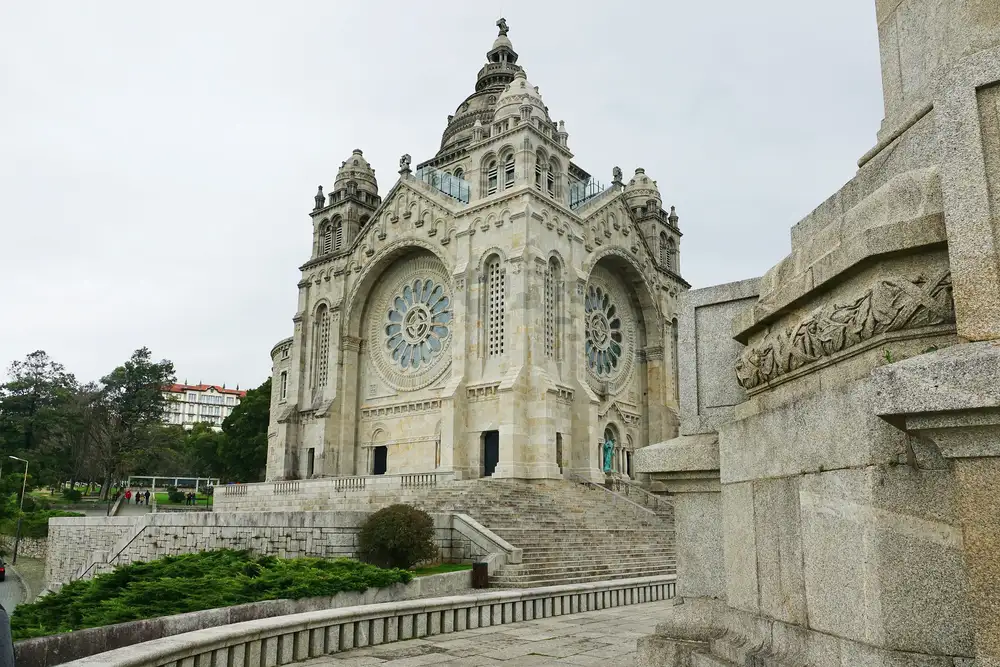
The late-byzantine church layout reminds me of the Orthodox churches in 18th and 19th century Russia: Cathedral of Saint Demetrius and Church of the Intercession on the Nerl (Vladimir, Russia) both appear as solid fortifications with strict no-nonsense liturgies. This stark observation is more pronounced when compared to the prevailing neo-classical churches of France and Rome, with symmetrical, yet structured beauty and craftsmanship in their elevated purpose.
The exteriors present a wonderful case of bas reliefs in a neo-classical style (circular arcades, with iconic capitals lining the gables and symmetrically spiraling through the rose windows.
The layout is in traditional Byzantine form;
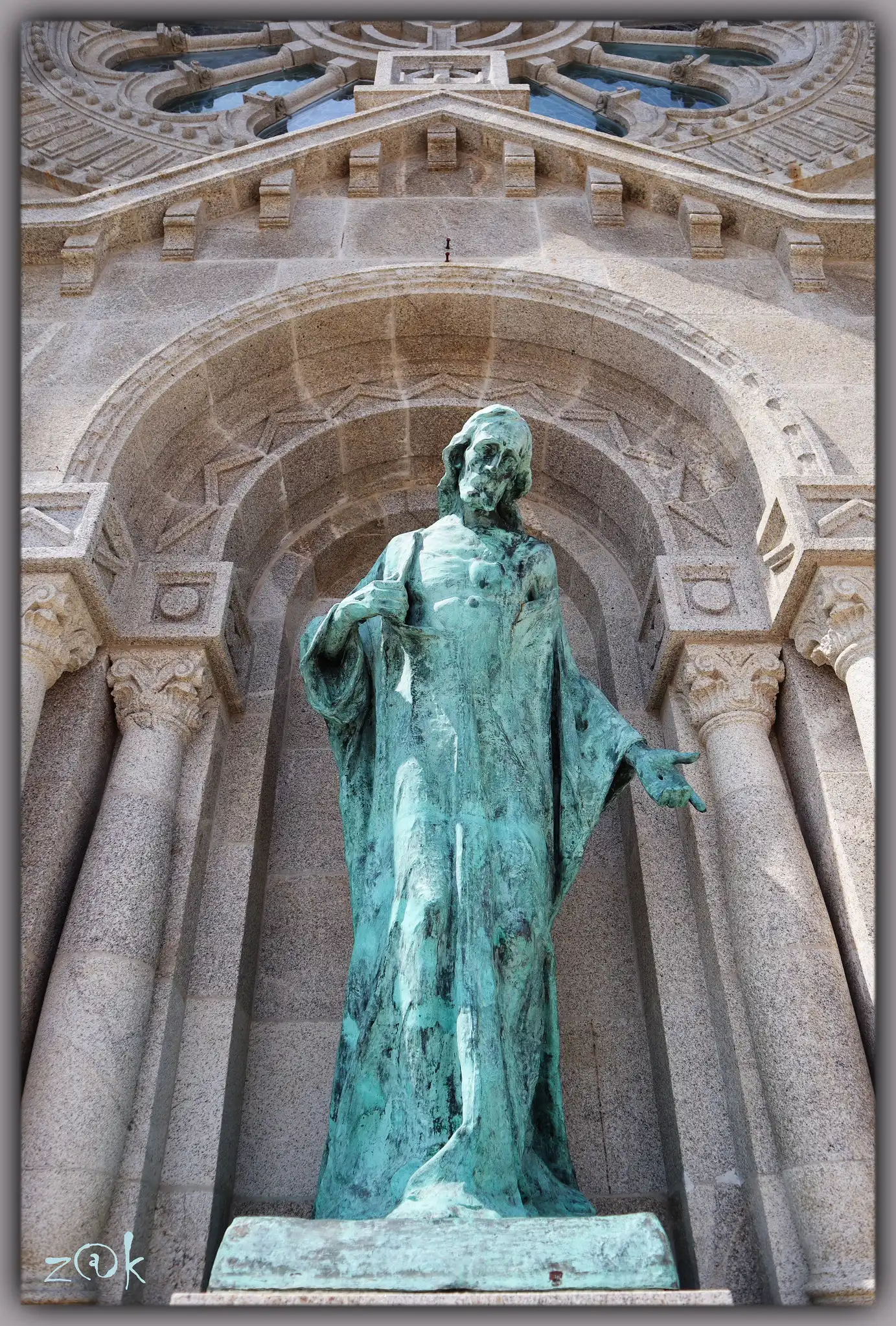
Greeting you at the entrance is a bronze statue of Christ, sculpted by Aleixo Queirós Ribeiro in 1898 (before the church’s construction). Its green patination reminds me of Frédéric Auguste Bartholdi’s Statue of Liberty: both artists were studying in Paris at the same time.
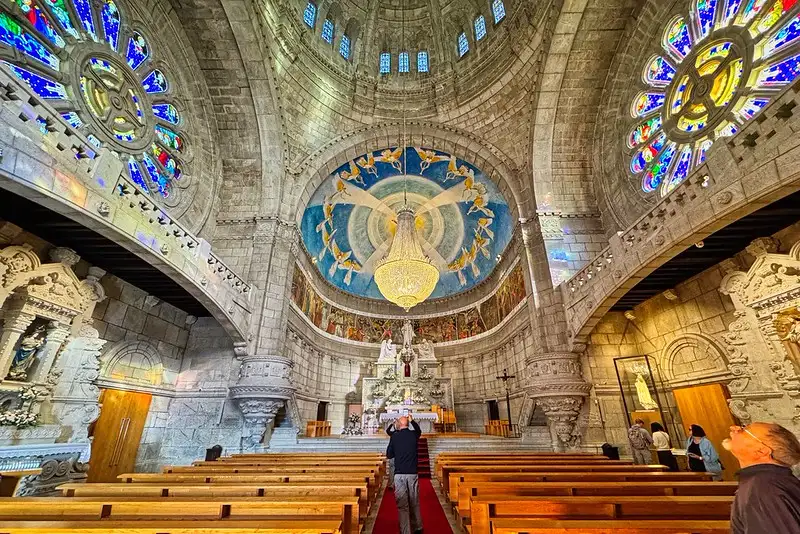
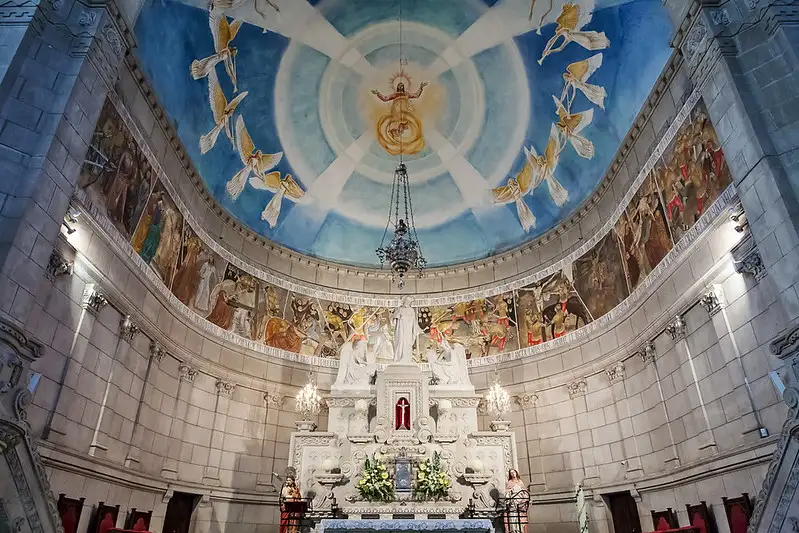
Upon entering the church, the Iberian peninsulas largest rose glass window dwarfs you in majesty. It’s noticeable disproportion to the church works towards the illusion of space in the small interior. The narthex is a tight squeeze at half capacity, but the gothic height of the central dome partners with the three rose windows to fully illuminate the pews. Above the alter is a lapis-lazuli hue of plaster and paint, depicting the Ascension of Christ herald by 16 angels. The radiance of Christ emits as ethereal shockwaves, which—on the observation of entering the church from the center aisle—appears to originate from the chandelier. Below the roof is a narrative register with scenes of Passio Christi (Passion of Christ).
The guidance of light and color leads to the marble choir, mounted by a statue of Jesus pulling his cloak back to reveal his “sacred heart.” Chris is flanked by two angels; each holds a shield bearing the coat of arms for Portugal and Viana do Castelo.
Watch the first 3:24 minutes for a walk through of the interior and exterior.
North of the sanctuary is a prominent mountainous granite massif that marks the landscape and environment of northwestern Portugal…
The Sanctuary of the Sacred Heart of Jesus is a perfect reflection of a traveler’s visit to Viana do Castelo. Don’t let its age fool you; the Sanctuary tells a story that spends over 2,000 years of history. Neo-Byzantine, Neo-Gothic, and even Neo-Classical styles unite in a harmonic display of history and belief.
Confraria de Santa Luzia | Monumento Viana Castelo. (2018). Templosantaluzia.org.
Marques, A. (2011). Templo-Monumento de Santa Luzia em Viana do Castelo. Academia.edu.
Da Silva, A. C. (1996). O Bom Jesus do Monte das Mós: Martins Capela e a devoção ao Sagrado Coração de Jesus. Lusitania sacra, (8-9), 171-244.
Viana do Castelo. https://www.visitportugal.com/
Pamplona, J., Gutiérrez-Alonso, G., & Ribeiro, A. (2006). Superposition of shear zones during orogenic development: an example from the NW Variscan Belt (Viana do Castelo, NW Portugal). Journal of Structural Geology, 28(7), 1327–1337.
Viana Do Castelo climate: seasons, when to go, monthly averages. (2026). Climates to Travel.
Sanctuary of Santa Luzia | EuroVelo Portugal. (2016, July 20). EuroVelo Portugal.
Santuário do Monte de Santa Luzia . (2017). Monumentos.gov.pt.
Maria Augusta D’ Alpuim. (1954). A Montanha Dourada (have not read)
Shaaré Tikvah Synagogue (Built by the cathedral’s architecture, Miguel Ventura Terra) https://www.visitlisboa.com/en/places/shaare-tikvah-synagogue
Ferreira, A., & Silva, D. (n.d.). Portuguese Castros: The Evolution of the Habitat and the Proto-Urbanization Process. Proceedings of the British Academy, 86, 263–289.
Lorem ipsum dolor sit amet, consectetur adipiscing elit. Ut elit tellus, luctus nec ullamcorper mattis, pulvinar dapibus leo.
Lorem ipsum dolor sit amet, consectetur adipiscing elit. Ut elit tellus, luctus nec ullamcorper mattis, pulvinar dapibus leo.